
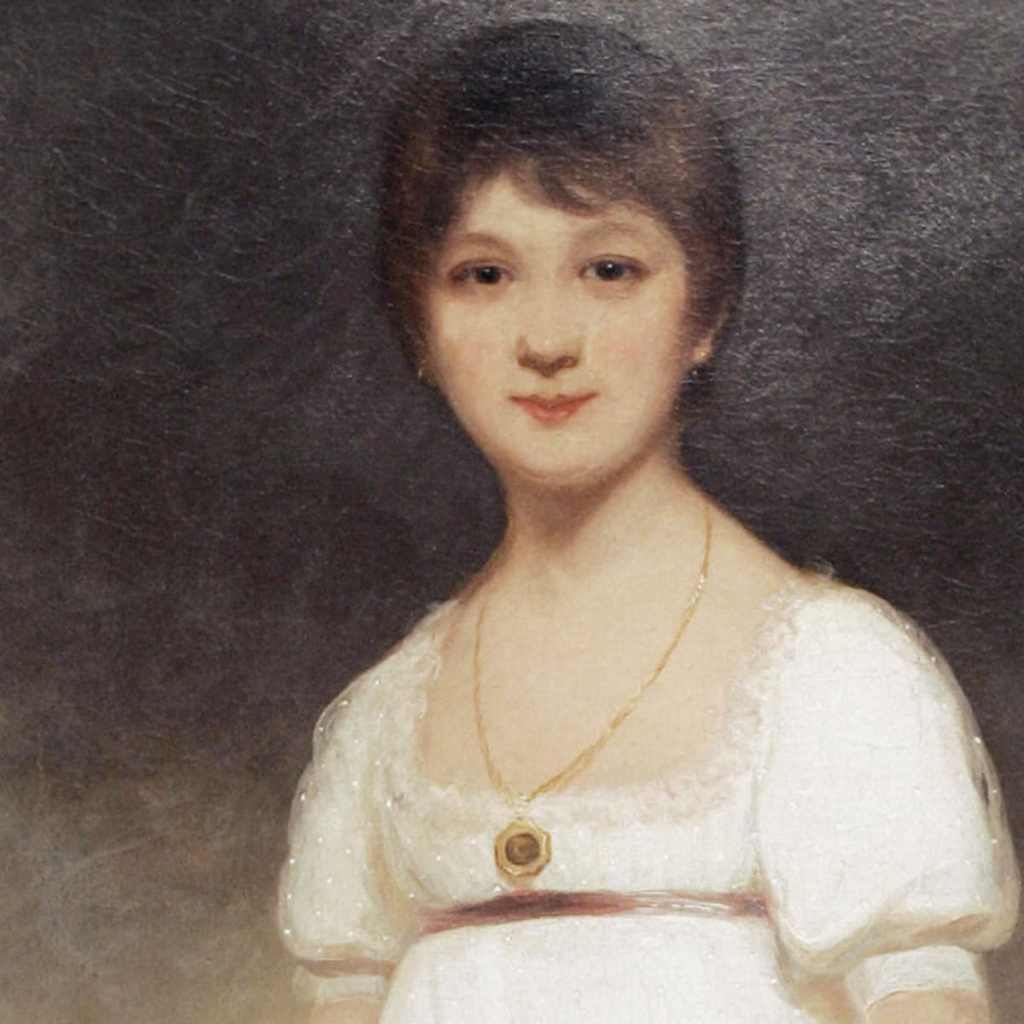
Jane Austen 
Emily Bronte
Recently, I stumbled across the Intelligent Square’s video about Jane Austen vs Emily Bronte on Youtube, which you can check out right here. Considering the fact that this is essentially a Jane Austen fan blog and that I’m a dedicated Austen follower, it wouldn’t be a surprise that I’m going to side with Austen no matter what happen in the debate. Nevertheless, I patiently sit through the whole video, wanting to know what would two sides bring up to persuade the audience into choosing their author. As I watched the two presenters elaborate on why they love Austen or Bronte’s works, I started to rethink about my own appreciation of both authors and make a list of reasons for my preference.
I was bias
Jane Austen’s works were the first novels that I wasn’t forced into reading. My interest in her was a special one that developed from a momentary interest into a devoted love, like a teenage fling that unexpectedly grew into something more serious. It’s almost strange how emotive the way I describe my thoughts about her works is, given the fact that I like them for their rational and pragmatic aspects. From my point of view, Austen made me think practically with a passion. A relationship that is built on both reasons and feelings like that between me and Austen’s books is virtually unbreakable. There was no way that Bronte, as incredible as she was, could pull me away from Austen.
Ideology and philosophy
In my Jane Austen post, I have discussed in more detail the lessons that she taught me and how they became a part of my ideology. The Gothic novels of Emily, or the Bronte sister in general, represent the exact of opposites of Austen’s ideas. In fact, Austen disliked the Gothic genre so much that she wrote Northanger Abbey to ridicule it before the Brontes were even born. Unlike Anne, the only realist in the family, the two older sisters went all out when it comes to their romantic ideas, regularly writing about a love so strong it became destructive. To some extend, Emily, or even Charlotte, romanticized the broken romantic hero who is, at best, borderline abusive and manipulative. With a passion-driven male lead acting on his impulses like Heathcliff and a plot line devoted to a burning yet ill-fated love, Wuthering Heights and its overflowing tides of emotions overwhelm me, almost making me feel suffocating. Reading this novel was probably one of the most thrilling experience I ever had. It was powerful and mesmerizing. Nevertheless, I couldn’t really agree with romantic philosophy that Emily emphasized so strongly in her novel.
Style
The style of Jane Austen and Emily Bronte are so different that for me, it’s almost impossible to compare them. While Bronte’s Wuthering Heights is filled with vivid imagery of a dark and murky Victorian England, Austen’s Pride and Prejudice or Persuasion is witty and bright, with a slightly melancholic undertone at times. Personally, I’m a bigger fan of Austen’s sarcastic criticism of her society, which are often in the form of a massive irony hidden beneath the text. Austen is subtely brutal.
All in all, as Austen connects with me on so many levels, no other writers that I know so far can replace her in my heart. Bronte is amazing, but to me, Austen is the queen of English literature.
 A sleepy conscience