There is no charm equal to tenderness of heart
Emma (Emma – published 1815)
How did she spend her 41 years on Earth?
On December 16th 1775, Jane Austen, the queen of satire, was born to a family of eight children, one month later than her mother Cassandra had expected. Jane’s father, George Austen, was a rectum of a parish at Stevenson and supported the family with a modest per annum living (along with Jane’s mother rather small inheritance).
Jane Austen surely had her fair share of highs and lows (Well… low for a woman of her status – a gentleman’s daughter. Jane, after all, belonged to the middle-class). For quite a while after her father past away, she had to live by the generosity of her brothers and was moving from place to place with ranging housing qualities. Her books never earn her as much as they should have, due to failed negotiations and business mistakes regarding their publication. In a society where woman rarely dared to print their name on the cover of their own books, could one really blame her? Having lived through many sorts of difficult situations, she wove her life experience into her writing, creating some of the most memorable works of literature of all time.
Who should read Jane Austen?
EVERYBODY. Trust me, she does not disappoint. Her sharp and witty style can make almost anybody laugh. And even if the Austen way doesn’t suit you, her novels still belong to the rank of literature masterpieces that you should try out, regardless of taste.
What should you expect when taking up a Jane Austen’s novel?
Jane Austen was – in my opinion – the queen of English social commentary and satire. It is debatable whether she was a conservative, but I generally like to believe that she was a liberal woman with a very strict moral code. She almost only wrote about the middle class, the people she knew best, their marriages, challenges, and social circles. As for any of her writing related to marriage, you can expect a romantic love story. However, her novels aren’t the cheesy kind of rom-coms you can find all over the internet. She was a social critic and wrote for educational and commentary purposes. If you want refreshing read that can keep you laughing all the way through and teach you actual relationship lessons (all kinds of relationships possible between humans, really) then you’re in for a treat.
The main focus of her novels are always young ladies of marriageable age but with varying personalities and family circumstances. No two Austen’s female leads have the same character. Elizabeth (Pride and Prejudice) is wittier than all her sisters combined. Emma (Emma) is too smart for her own good. Elinor (Sense and sensibility) is more practical and composed than necessary while her younger sister, Marriane, is a hopeless romantic with her feet rarely ever touch the ground. Other characters like Fanny, Anne and more also have very different personalities. Money is a very big issue in Austenland. Most of the times, these young women are in some sort of financial difficulties. The only exception is the lovely Emma, whose wealth and status is comparable only to (you guessed it) her leading man. However, Jane Austen is known for treating her female leads very well. By the end of the story, all of these women got married with a man that can afford them a comfortable life (seriously, like very very comfortable).
When it comes to Austen’s leading man, I must say that before reading Austen’s books, I didn’t see that there could be so many different kinds of good-natured, handsome and rich bachelors. That is not to say that they’re perfect. They’re all deeply flawed, human characters, just as much as their leading ladies are. But that is why these couples are so perfect for each other. They allow their partners to be their mentors and they’re better people when they are together.
The parents in Austenland aren’t usually the kind of dads and moms you would choose to have. Most of them didn’t have a harmonious marriage and a few of them even have a hard time showing some minimal respect to each other. One or two are helicopter parents. Others are obsessed with status and wealth. All in all, they really make you love your parents more.
Lastly, one very special thing that you can expect in an Austen’s book is her distinct style. Jane Austen is known for her wit and sarcastic takes on every situation. She used parody and irony frequently to critique other kinds of popular novels in her time. Her characters are sharp and wouldn’t resist a good laugh. As Mr. Bennet (Pride and Prejudice) has put it, “For what do we live, but to make sport for our neighbors, and laugh at them in our turn”. This can be observed in all of her works. However, not every Austen’s novel has the same tone. Through she always wrote in third person, the story teller’s perspective were usually that of the female leads, meaning that the vibe of the novel depended greatly on the personality and feelings of the leading lady. Since it almost feel like the lady was telling the story herself, it’s really easy for readers to understand her thoughts and sympathize with her even, when she did something wrong.
There are so many good reasons why Jane Austen was such an influential figure and why her works stands the test of time. As a fan, I want to show my dedication to her. In the following post, I would like to share my thoughts on my top three favorite Jane Austen novels with you (Pride and Prejudice, Emma and Persuasion). I really hope that you enjoyed your time in my brain, with my thoughts.
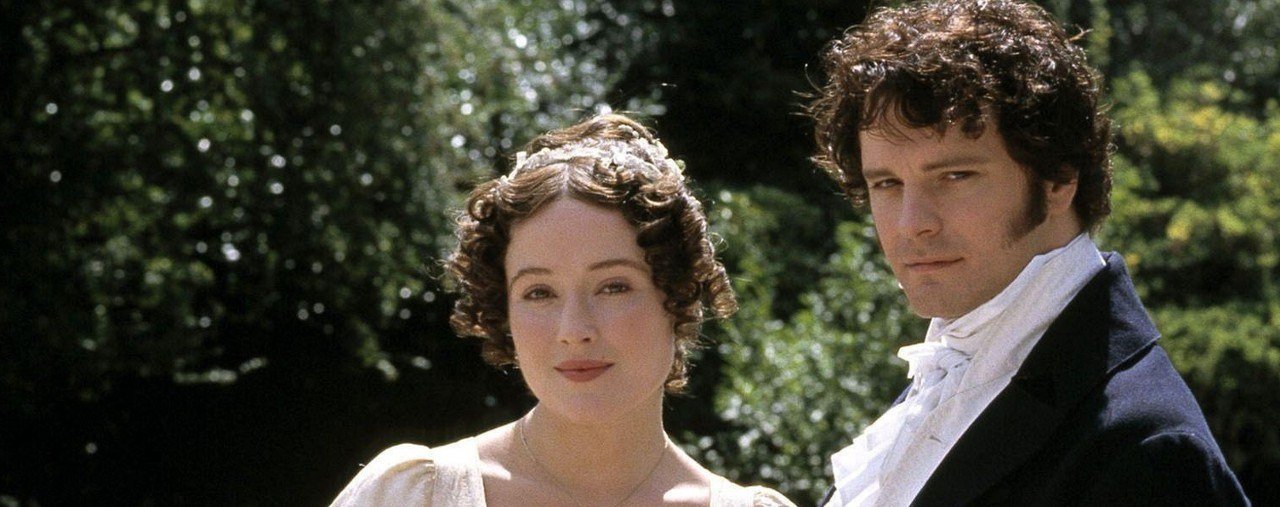
Here is a picture of the 1995 BBC adaptation of Jane Austen’s most famous work, Pride and Prejudice. My first book review is going to be about this one of a kind novel.
 A sleepy conscience
It is very good to read, to see, to observe, and above all to think, and then to write down what we read, see, observe and think. We do all these activities precisely because we are human beings and to be more human.
Try to continue what you started…
LikeLike
Thank you so much. I’ll try my best. I’m really sorry for responding to you so late.
LikeLike